
Cornell researchers develop invisible light-based watermark to detect deepfakes
Visit website
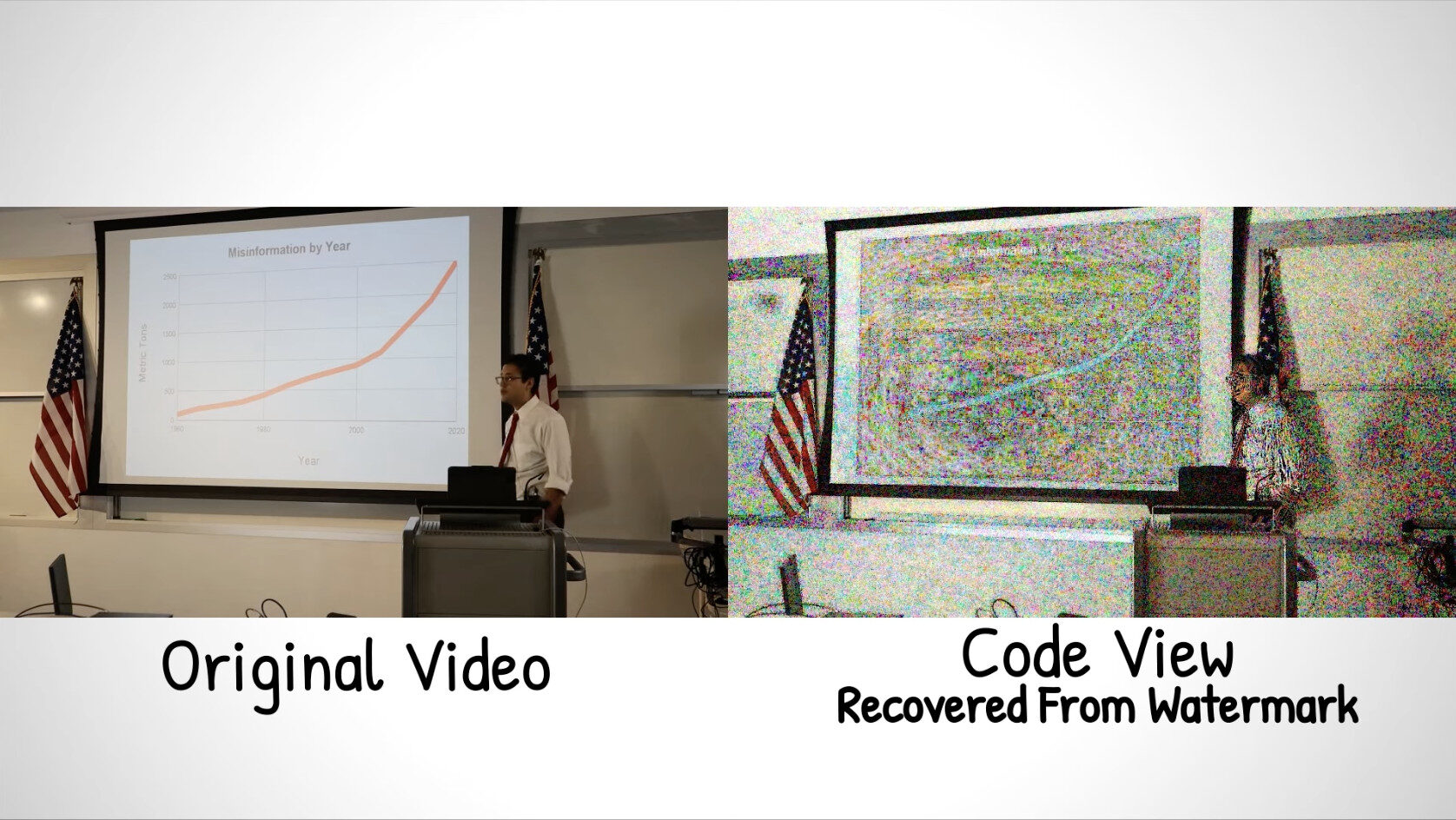

At a time when fabricated videos are increasingly difficult to identify, researchers at Cornell University have unveiled a new forensic technique that could give fact-checkers a critical advantage. The method embeds invisible digital watermarks into the light sources of a scene, enabling investigators to verify the authenticity of video footage after it has been recorded.
The concept, called noise-coded illumination, was presented August 10 at SIGGRAPH 2025 in Vancouver, British Columbia, by Peter Michael, a Cornell computer science graduate student who led the project. The approach was first envisioned by Abe Davis, an assistant professor.
Found good vibes?
Submit